China is one of the most cashless societies in the world. Locals pay for everything with a quick scan of a QR code, from a bowl of noodles to a metro ticket. For years, this left foreign visitors stuck at the checkout with a wallet full of useless cards.
The good news is that things have changed. Foreign visitors can now link an international card to China’s main payment apps, and authorities have been pushing hotels, major attractions, and other key places to accept cards and cash as well. The best approach is to prepare a few options rather than rely on only one. Here is how.
The Short Version
- Set up Alipay (and ideally WeChat Pay) before you fly, and link your Visa or Mastercard.
- Bring a physical bank card as a backup, for hotels, big shops, and larger restaurants.
- Carry some cash (Chinese yuan, also called RMB or renminbi) for small purchases.
- Keep your phone charged and connected, since mobile payment needs data.
Option 1: Mobile Payments (Alipay and WeChat Pay)
This is the main way people pay in China, and the best way for visitors to blend in.
Alipay is the one we suggest setting up first. It has an English interface for foreign users, works with major international cards, and is accepted almost everywhere, from malls to street stalls.
WeChat Pay is built into WeChat, China’s all-in-one messaging app. It is widely accepted and a good second option. Some local services, especially those that use WeChat “mini-programs,” work better with it.
How to set it up:
- Download the app from your app store while you are still at home.
- Register with your own mobile number, and verify your identity with your passport when asked.
- Add your international bank card in the app’s wallet or bank card section.
- Test it before you travel, so you can fix problems early.
How to pay in a shop or restaurant:
- Show your code: Open the payment code in the app, and the cashier scans it.
- Scan their code: Scan the shop’s QR code with the app, enter the amount, and confirm.
Things to know:
- Fees and limits. Foreign cards may be subject to limits per transaction and per year, and a small fee can apply on larger payments. Details have changed over time and differ between sources, so check the app’s current terms. Your home bank may also add a foreign transaction fee, so it is worth asking before you go.
- What does not work. Foreign cards generally can’t be used to send money to friends or to send red packets. Those features are designed for locally linked accounts.
- Small vendors. Occasionally, a very small stall may not be able to accept a foreign-linked card. Keep a little cash handy.
- Data needed. The apps generally need an internet connection. Get a travel eSIM or roaming plan before you arrive, and take a screenshot of your hotel details in case of connection problems.
Option 2: International Bank Cards
Foreign cards are increasingly accepted, but not universally.
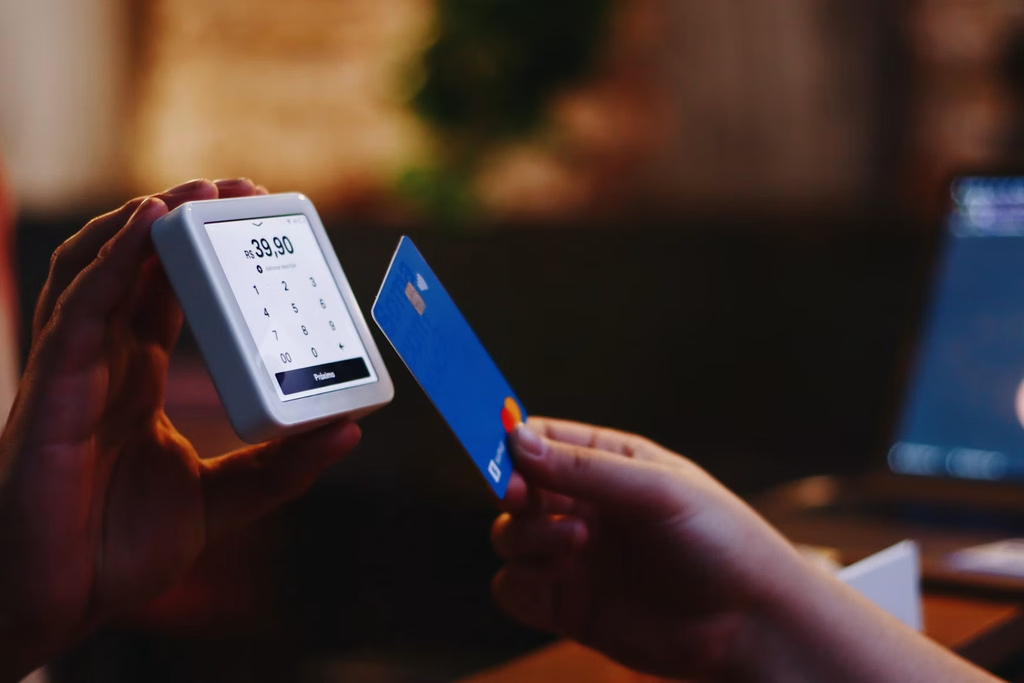
- Where they work best: International hotels, large department stores, major attractions, and upscale restaurants in big cities. Visa and Mastercard are the most widely accepted, and some places also accept UnionPay.
- Where they may not work: Small restaurants, street food, local markets, and rural areas.
- Contactless and mobile wallets: Tap-to-pay with a card or phone is becoming more common, but not available everywhere.
Tips:
- Tell your bank you are travelling, so your card isn’t blocked for unusual activity.
- Carry two cards from different networks, if you can, in case one is declined.
- Always choose to pay in Chinese yuan rather than your home currency if a terminal offers a choice, as this usually gives a better rate.
Option 3: Cash
Cash is no longer the main way of paying in China, but it is still legal tender, and businesses are expected to accept it, especially in key places like hotels, hospitals, and tourist attractions. It is a very useful backup.
Getting cash:
- ATMs: Major banks, such as Bank of China and ICBC, have ATMs that accept most international cards. Withdrawal limits per transaction may apply, and your home bank may charge fees.
- Currency exchange: Available at airports, banks, and some hotels. You will usually need your passport. Exchange rates in banks are better than at airport kiosks, and you should avoid exchanging with people on the street.
- Your home bank: Some travellers withdraw at home before the trip. Check the rates and fees.
Tips:
- Carry small notes, which are useful for taxis, snacks, and small shops.
- Check the notes you receive as change, as counterfeit notes do exist. Real notes feel crisp and have a visible watermark and colour-shifting numerals.
- Do not carry large amounts of cash. A modest amount for each day is enough.
Tipping, Bargaining, and Other Local Habits
- Tipping: Not customary in most restaurants, taxis, and hotels in China, and the bill usually includes service charges at higher-end venues. For private guides and drivers, a tip is appreciated as a thank-you for good service, but is never required.
- Bargaining: Expected at street markets and souvenir stalls, where the first price is often much higher than the final one. In malls, supermarkets, and restaurants, prices are fixed.
- Receipts: Ask for a receipt for larger purchases, especially if you plan to claim a tax refund.
- Tax refunds: Some stores offer a departure tax refund to foreign visitors on eligible purchases. Rules change, so ask the store and check the current conditions.
- Paying the bill: In restaurants, you often pay at the counter or by scanning a code at the table, rather than waiting for the waiter to bring the bill.
Common Problems and Quick Fixes
- “My card was declined.” Check with your bank, try another card, or switch to a different payment method. Having a backup is the key.
- “The app won’t load.” Check your data connection. If you can, switch to cash or a card.
- “The shop only takes a Chinese payment code.” Ask whether they accept Alipay, WeChat Pay, cards, or cash. Or ask your guide or hotel staff to help.
- “I am running out of cash.” Visit an ATM at a major bank, and use a card with low foreign fees.
Before You Go: Payment Checklist
- Alipay installed, with passport verified and card linked
- WeChat Pay set up as a backup
- At least two physical bank cards, and your bank notified
- A modest amount of RMB cash in small notes
- A travel eSIM or roaming plan
- Your passport, which you will need for exchange and many tickets
- A power bank for your phone
For more apps that make your trip easier, see our guide to Useful Apps for Travelling in China.
Let Us Take Care of the Payments
Preparing for payments is a good idea, but a holiday should not feel like a financial puzzle. At IL Compass, we make it simple:
- No hidden costs. Hotels, transfers, entrance tickets, train and flight tickets, and guide and driver services are all arranged and included, so you have far fewer payments to make on the road.
- Tickets and bookings done in advance, so you don’t have to queue or navigate booking apps.
- A private guide who speaks your language (English, French, Italian, Spanish, Korean, and more) is on hand to help with any shop, market, or restaurant, and to point you to the best places to eat and shop.
- No shopping stops and no add-on pressure.
- A 24/7 contact if something goes wrong.
You keep the freedom to spend on what you love, such as a street snack, a handmade souvenir, or a cup of tea in a quiet lane. We make sure the practical parts take care of themselves.
Planning your trip? Contact IL Compass and tell us what you would like to see. We will handle the rest.